November 16, 2026
Hardwood floors can look dry while moisture remains trapped beneath the boards. A leaking appliance, overflowing sink, or burst pipe may send water through seams and into the subfloor before anyone notices a problem. Absorbed moisture can warp boards and damage finishes. Prompt water damage restoration helps homeowners understand how far the water traveled, what materials need drying, and whether the flooring can be preserved. The process starts with finding the cause rather than focusing only on visible stains.
Identify Where the Moisture Came From
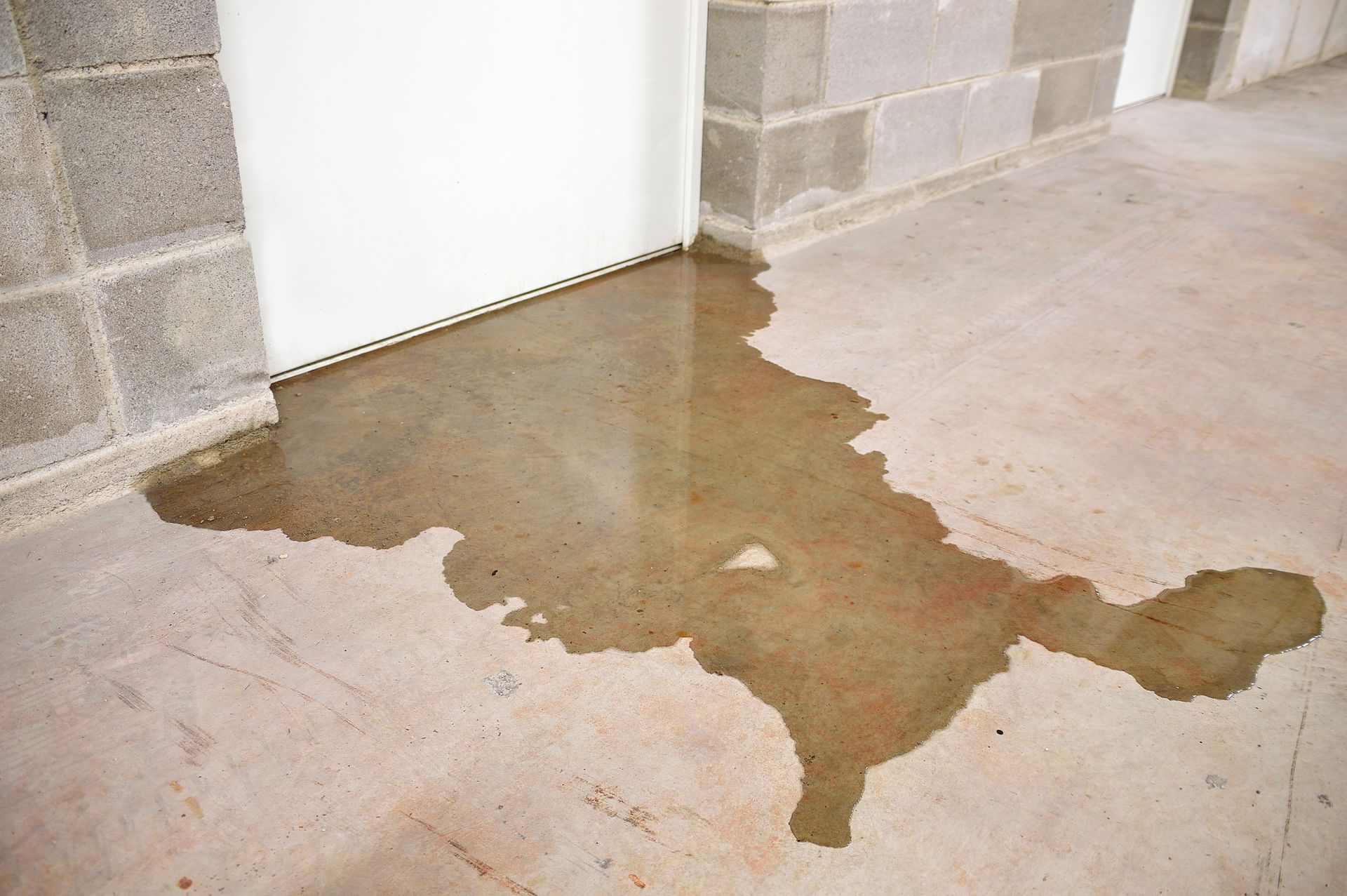
Water can enter a hardwood flooring system from above, below, or around its edges. Common sources include plumbing leaks, dishwasher hoses, wet entryways, and flooding. Moisture may also rise from a damp crawlspace or poorly protected concrete slab. A floor near a bathroom might be affected by a slow leak, while a basement floor could respond to changes in drainage or groundwater.
Stopping the source is the first priority. Shut off a leaking supply line if it is safe to do so, and arrange repairs before attempting to dry the floor. Pay attention to adjoining rooms and cabinets, since water can travel under baseboards without leaving an obvious trail. Water damage restoration professionals examine these pathways to determine which areas need attention. Drying the surface alone will not solve a leak that continues behind a wall or beneath the floor.
Recognize Early Signs of Hidden Damage
Changes in the shape of hardwood boards often provide the first clues. Cupping occurs when board edges rise above the centers, while crowning describes centers that sit higher than the edges. You might also notice dark spots, gaps that appear unexpectedly, buckling, or a finish that begins to peel. A persistent musty smell can indicate damp materials, although odor alone cannot confirm mold.
Some changes become visible days after water exposure as moisture redistributes through the wood. Others may reflect seasonal humidity rather than a plumbing emergency. Compare the affected area with nearby rooms and note whether the pattern follows a spill, storm, or appliance problem. Avoid sanding a distorted floor immediately. Removing material before the wood has dried and stabilized can leave an uneven surface after its shape changes again. If the floor feels soft underfoot, limit access until the subfloor can be evaluated. Continued foot traffic may worsen damage when supporting materials have weakened.
Act Within the Recommended Drying Window
According to the CDC, homeowners should clean and dry water-damaged areas within 24–48 hours, when possible, to help prevent mold growth. That guidance emphasizes urgency, which is why water damage restoration should begin promptly. It does not mean a floor becomes safe or completely dry simply because two days have passed. Hardwood, underlayment, and subfloor materials can retain moisture much longer, depending on the amount of water and how deeply it penetrated.
During the first hours, document the damage with photographs and move dry belongings away from the wet area. Record when the leak started, if known, and save receipts for emergency repairs or cleanup. Avoid standing water near outlets, wiring, or electrical equipment. If the water came from sewage, outdoor flooding, or another potentially contaminated source, keep people away and seek qualified assistance instead of attempting routine cleanup. Prompt attention addresses both visible water and moisture that ordinary household cleaning may miss.
Measure Moisture Above and Below the Boards
A restoration professional may use moisture meters to compare affected hardwood with similar, unaffected material. Measurements help identify wet areas, track drying progress, and show whether the floor is approaching conditions suitable for repairs. Pin and pinless meters serve different purposes; readings must be interpreted according to the wood species, material thickness, and equipment being used.
Infrared cameras can reveal temperature patterns worth investigating, but they do not directly measure moisture. A cool area in a thermal image might have several explanations, so technicians generally confirm suspicious locations with other tools. In some cases, they also inspect accessible spaces below the floor or carefully open a limited area to evaluate the subfloor. This assessment keeps water damage restoration focused on the affected layers instead of relying on a dry-looking surface as proof that the entire assembly has recovered.
Remove Standing Water and Dry the Floor System
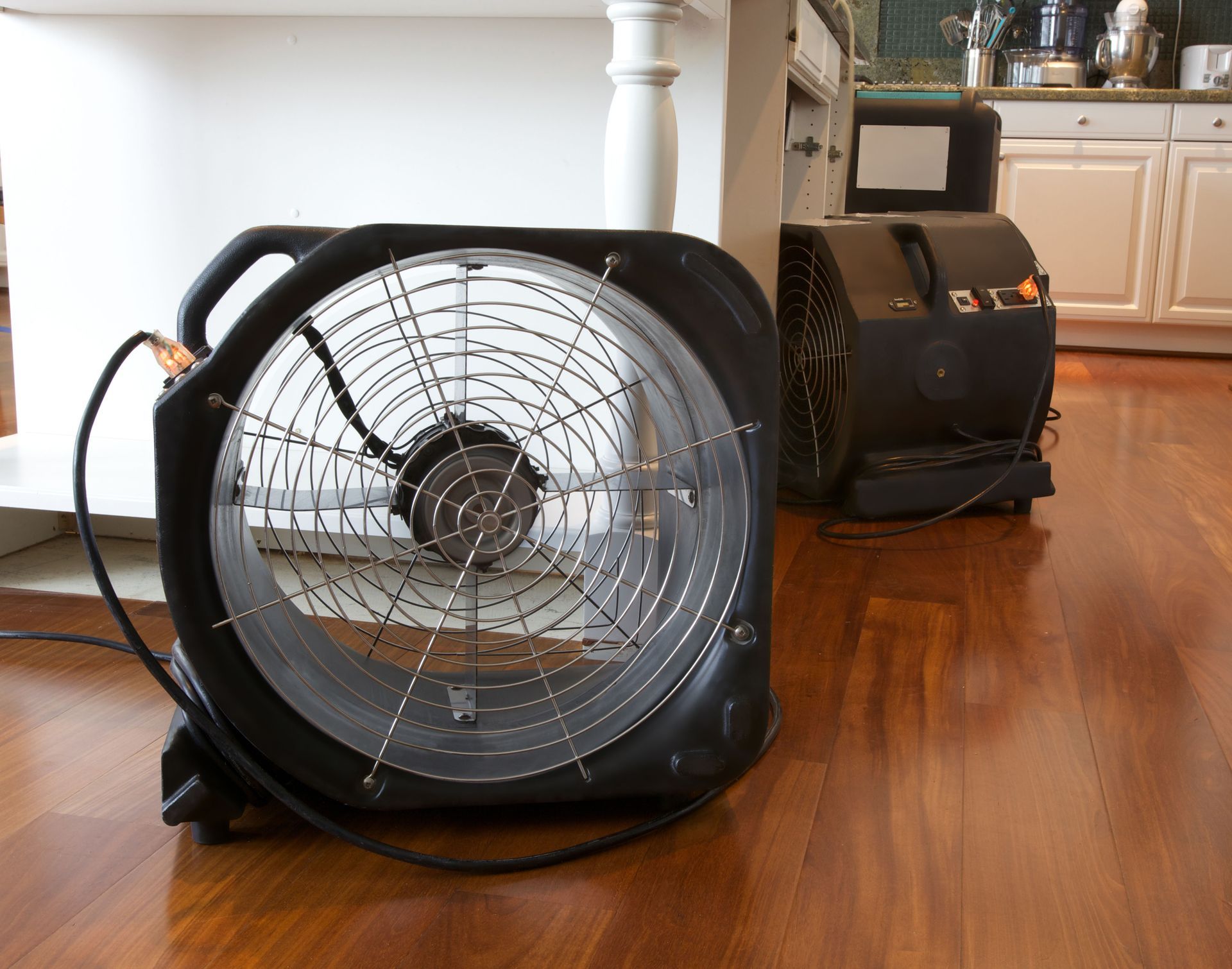
After the source is controlled, the next step is removing accessible water with appropriate extraction equipment. Technicians may then use dehumidifiers and carefully placed air-moving equipment to encourage evaporation. Drying conditions are monitored so adjustments can be made as moisture levels change. The approach depends on the flooring construction, contamination concerns, and how long the materials have been wet.
Some hardwood installations may benefit from specialized floor-drying systems that draw moisture through seams or from the layers below. Other situations require removing sections of flooring to reach saturated materials. Equipment should not be positioned indiscriminately, particularly where visible mold or contaminated water could spread particles into occupied spaces.
Professional drying does not always mean removing every board. The goal is to establish whether targeted drying is appropriate and confirm progress with measurements. Simply increasing room temperature or leaving a household fan running is not a reliable substitute for assessing hidden moisture.
Determine Whether Boards and Subfloors Can Be Saved
Whether hardwood can be restored depends on the type of water, duration of exposure, construction method, and degree of distortion. Solid hardwood sometimes responds to controlled drying, while certain engineered products may suffer permanent damage to adhesive layers or cores. Subfloor materials also differ in how they tolerate prolonged wetting. No single rule applies to every installation. A sound water damage restoration plan weighs those factors before recommending removal or repair.
Signs of extensive swelling, delamination, decay, or contamination may make removal necessary. A qualified professional can assess whether boards are stable, whether the subfloor remains sound, and whether a flooring specialist should evaluate refinishing options. Cosmetic work should wait until the moisture problem has been resolved and the materials have reached appropriate conditions. Replacing a stained board while leaving a damp subfloor underneath risks repeating the original problem.
Reduce the Chance of Another Moisture Problem
After repairs, inspect the conditions that allowed water to reach the flooring. Check plumbing connections, appliance hoses, exterior drainage, and areas near tubs or sinks. Where moisture rises from below, a building professional may need to evaluate crawlspace humidity, slab conditions, or the suitability of existing moisture barriers. A surface sealant cannot compensate for a persistent leak beneath the floor.
Keep indoor humidity reasonably controlled and respond promptly to spills. The CDC recommends keeping indoor relative humidity no higher than 50% to discourage mold growth, although hardwood manufacturers may specify a narrower operating range for their products. Monitor familiar trouble spots and consider water-leak alarms near vulnerable appliances. Preventive care does not eliminate every risk, but it can help homeowners notice moisture before it spreads widely.
Arrange an Assessment Before Damage Spreads
A wet hardwood floor requires more than a quick wipe-down when moisture has reached the layers beneath it. Careful
water damage restoration involves finding the water source, measuring affected materials, and documenting drying progress to determine whether the existing floor can remain in place. Early action gives homeowners more information and may reduce avoidable damage, although recovery depends on the circumstances.
Resolve Restoration LLC provides water extraction, drying, and related property restoration services in Central Wisconsin. If your hardwood floor has been affected by a leak or flooding, contact the company to discuss a professional assessment and the next steps for your property.