October 26, 2026
Water can spread beyond the area where a leak or flood first appears. It may soak into flooring, drywall, insulation, cabinets, and structural materials while also raising indoor humidity. If moisture remains, materials can swell, weaken, stain, or support microbial growth. A water damage restoration service responds to both visible water and moisture concealed within the property. Through assessment, extraction, controlled drying, cleaning, and necessary repairs, professional restoration can reduce the likelihood that one incident will produce lasting problems.
Water Damage Can Come From Many Sources
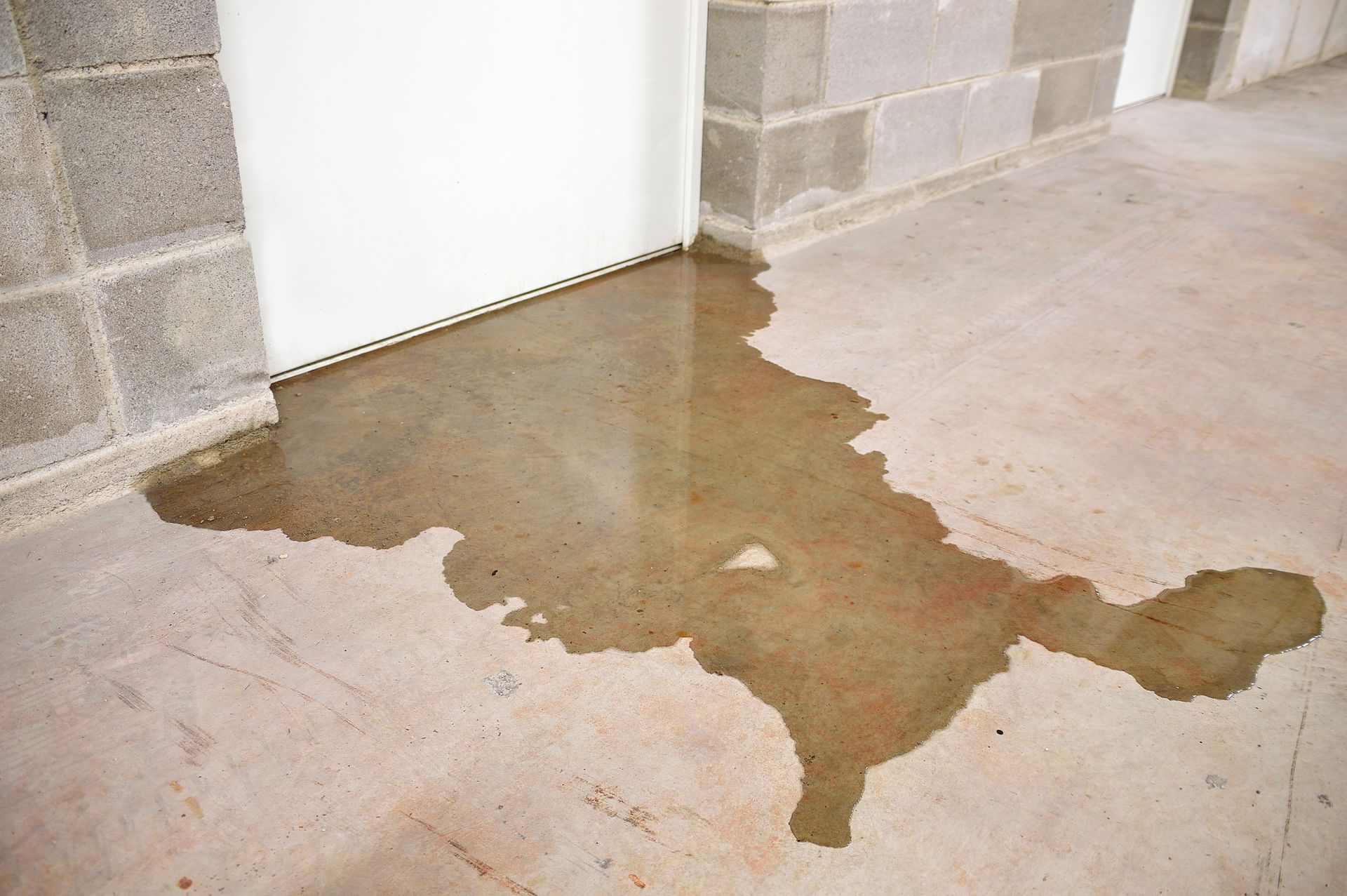
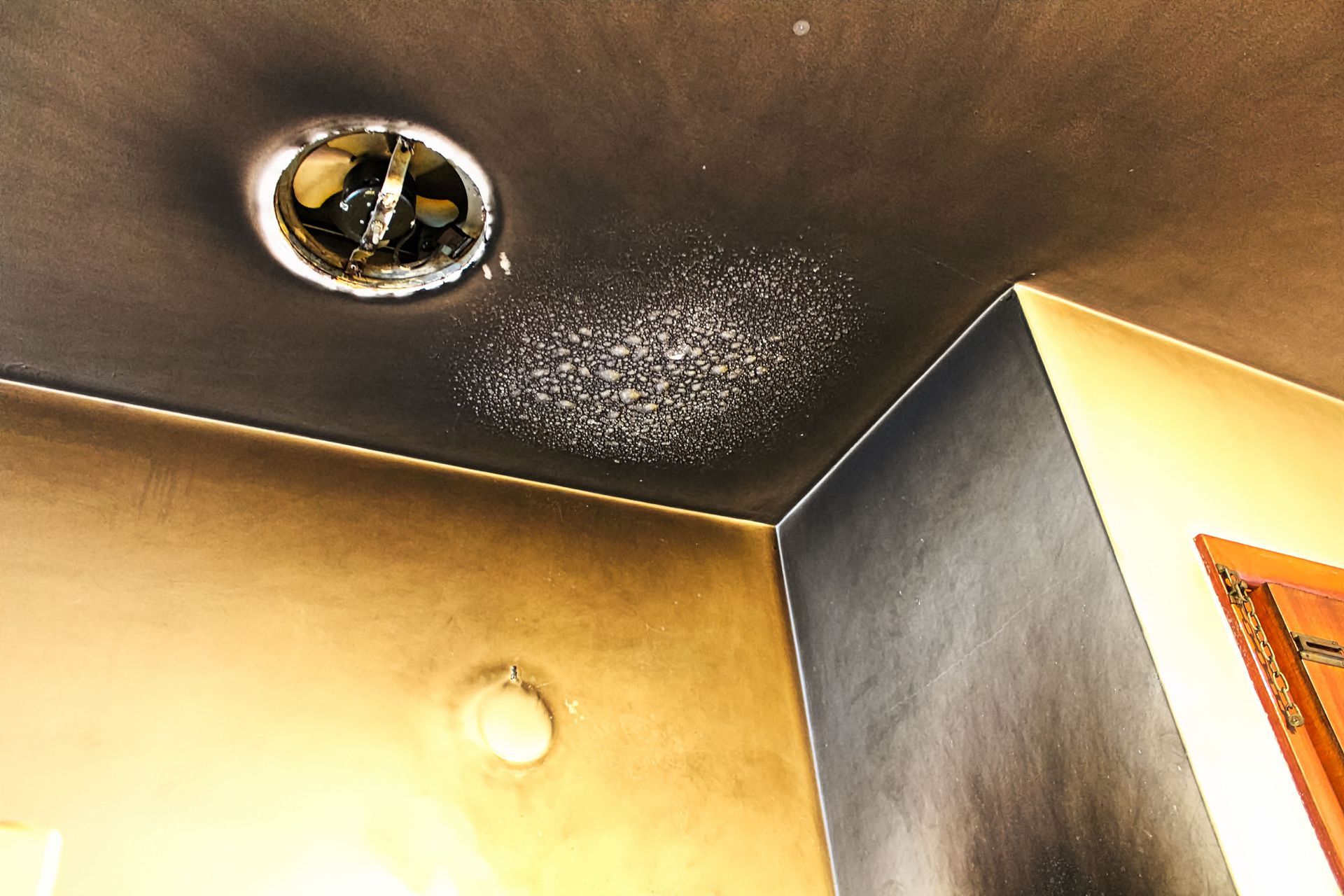
Storms, flooding, roof leaks, burst pipes, overflowing fixtures, and malfunctioning appliances can all release damaging amounts of water. Some events are immediately obvious, while a slow plumbing or structural leak may continue behind a wall or beneath a floor before staining and odors become noticeable. The amount of water matters, but its source, the materials affected, and the time it remains in place also influence the severity of the damage.
Prompt action begins with stopping or controlling the source when it is safe to do so. A burst supply line may require the building's water to be shut off, while roof or drainage failures may require a different professional response. Water near electrical systems presents additional hazards and should not be approached casually. Emergency conditions may require occupants to leave the affected area until it has been evaluated.
Waiting for visible surfaces to dry on their own can allow hidden moisture to remain. Carpet may feel dry while padding underneath stays wet, and the surface of a wall can appear normal even when insulation or framing contains moisture. Early involvement from a water damage restoration service helps identify these less obvious areas and establishes an appropriate plan before deterioration progresses.
Assessment Establishes the Scope of the Problem
Restoration begins with evaluating the source, affected area, water conditions, and immediate hazards. Professionals inspect visible damage and may use moisture meters, thermal imaging equipment, or other detection tools to trace moisture into building materials. These findings help distinguish between an isolated wet surface and water that has traveled into adjoining rooms, wall cavities, or multiple flooring layers.
Safety is part of the assessment. Standing water may be close to electrical components, ceilings may be unstable, and contaminated water may require protective equipment and controlled handling. Materials can also lose strength after prolonged saturation. The restoration plan should account for these conditions before workers begin extraction or remove damaged components.
Measurement and building research contribute to safer restoration practices. According to National Institute of Standards and Technology, the agency has devoted 125 years to measurement and research efforts that include improving technologies related to building safety and fire prevention. Applying established building-science principles helps restoration professionals evaluate materials, moisture movement, and safe working conditions rather than relying only on visible signs.
Extraction and Drying Limit Secondary Damage
Removing standing water is one of the first active restoration steps. Depending on the volume and location, professionals may use pumps, wet vacuums, or other commercial extraction equipment. Faster removal reduces the amount of time porous materials remain saturated and prepares the affected area for more focused drying. Extraction alone is not sufficient because moisture can remain within wood, drywall, subflooring, and other materials.
A water damage restoration service typically combines air movement and dehumidification to manage the remaining moisture. Air movers increase evaporation from wet surfaces, while dehumidifiers collect moisture from the surrounding air. Equipment placement should reflect the room, materials, temperature, humidity, and moisture readings. Simply adding fans without monitoring conditions may move humid air without drying concealed or deeply saturated areas effectively.
Technicians track drying progress with repeat measurements. These readings show whether materials are moving toward an appropriate dry condition and whether equipment needs to be repositioned or adjusted. Monitoring also helps prevent the process from ending merely because a room looks or feels dry. Documented moisture changes provide stronger evidence than surface appearance alone.
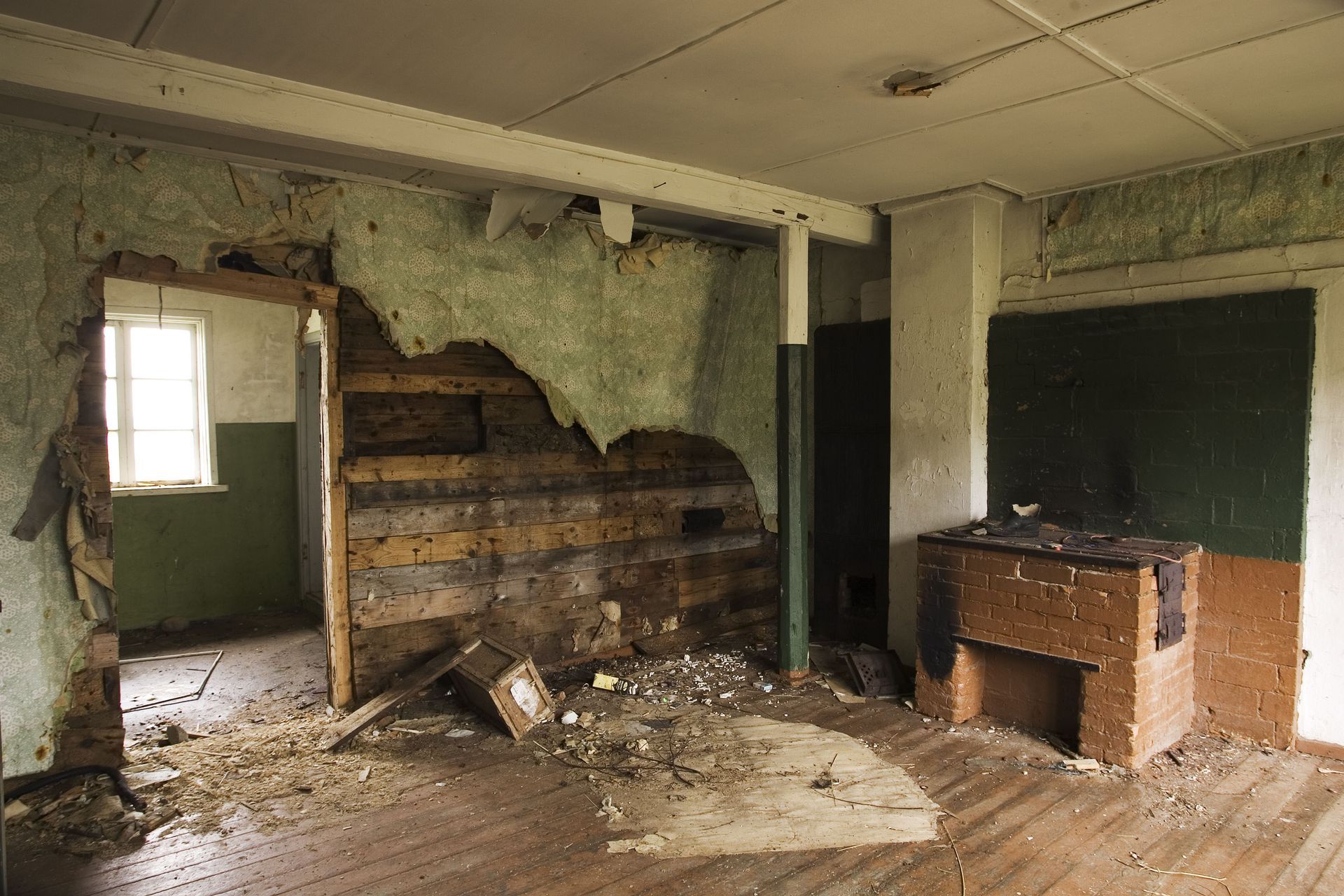
Controlled drying can reduce secondary problems such as swelling, warping, corrosion, adhesion failure, and microbial growth. However, not every saturated material can or should be saved. Porous components affected by contaminated water, materials that have lost structural integrity, or items that cannot be dried adequately may require removal. The decision should reflect the material, exposure, safety considerations, and condition rather than a blanket rule.
Cleaning and Material Removal Address Contamination
Water incidents differ in contamination risk. A clean supply-line leak creates different concerns from sewage, floodwater, or water that has remained in contact with building materials for an extended period. Restoration procedures must account for the source and the possibility that water has carried microorganisms, chemicals, dirt, or waste into the property. Protective equipment, containment, and disposal practices may be necessary.
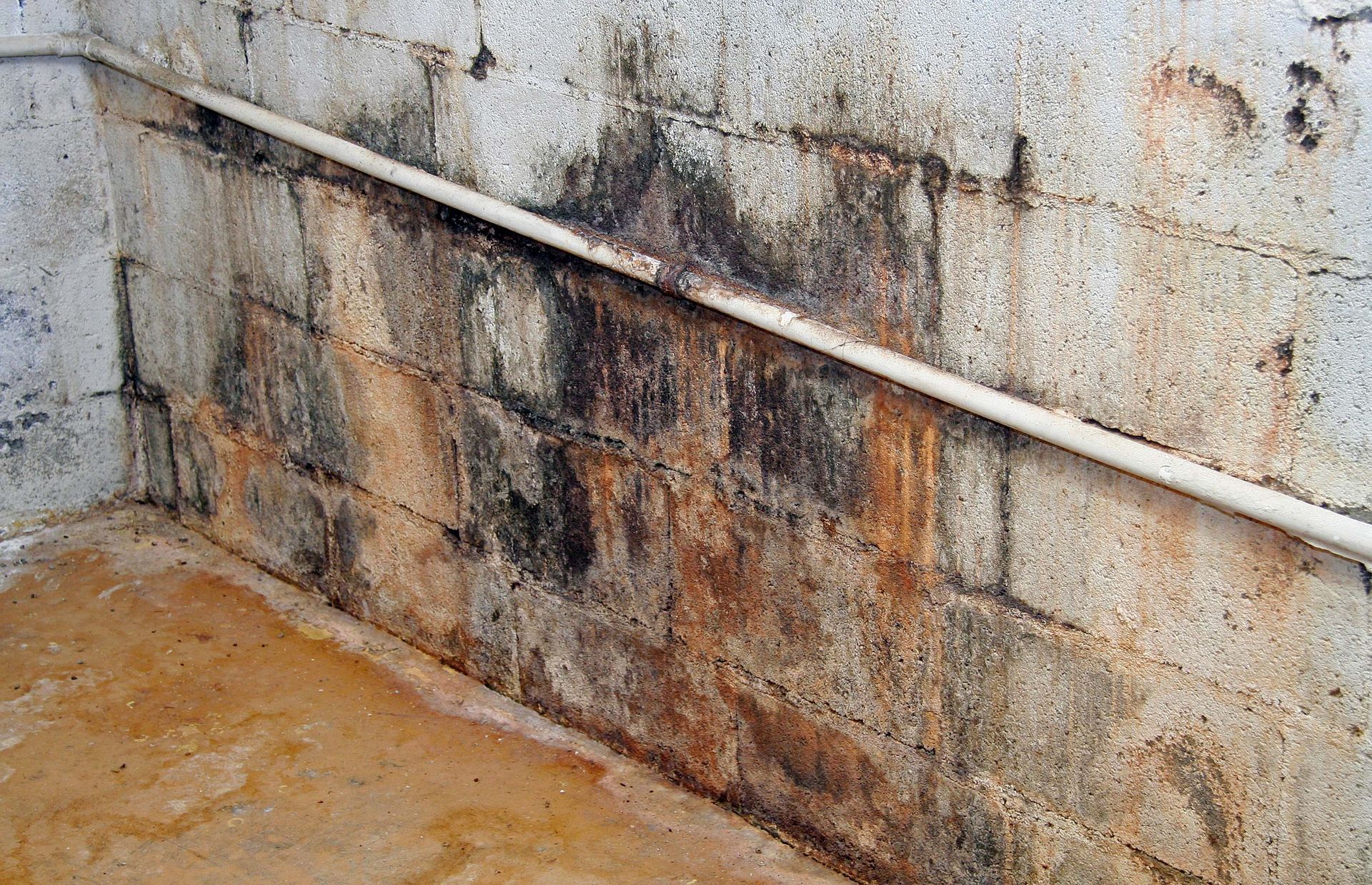
Mold is another reason moisture control cannot be postponed. Growth can develop when spores encounter suitable moisture and materials, including paper-faced drywall, wood, dust, or fabric. A musty odor or visible discoloration warrants evaluation, but mold may also be concealed. A water damage restoration service can isolate affected areas, remove materials that cannot be cleaned, and use appropriate cleaning procedures based on the conditions found.
Containment helps keep dust and contaminants from spreading into unaffected spaces during removal and cleaning. Depending on the project, this may involve physical barriers, controlled airflow, air filtration, and careful handling of debris. Surfaces that remain may require cleaning or treatment before reconstruction begins. The objective is not to conceal staining or odors but to address the moisture and contamination responsible for them.
Repairs Should Follow Verified Drying
Reconstruction may include replacing drywall, insulation, trim, flooring, cabinets, or other components that were removed or permanently damaged. Structural elements may need repair if water caused significant deterioration. Plumbing, roofing, appliances, or drainage systems responsible for the event should also be corrected by qualified professionals so newly restored areas are not exposed to the same unresolved source.
Repairs should not trap moisture inside walls or beneath new finishes. Before reconstruction proceeds, drying records and inspections should confirm that retained materials have reached suitable conditions. Installing flooring over a damp subfloor or closing wet framing inside a wall can hide the problem and create further damage. A methodical sequence allows the water damage restoration service to address moisture before appearance.
Reduce the Risk of Another Water Emergency
Restoration resolves the current incident, but prevention can lower the chance of repetition. Property owners should monitor plumbing fixtures, supply hoses, water heaters, roofs, gutters, drainage, and appliances for leaks or deterioration. Water detection devices placed near vulnerable areas can provide an early alert when moisture appears. Occupants should also know where the main water shutoff is located and how to contact appropriate emergency professionals.
Professional Restoration Supports a Safer Recovery
The lasting effects of water damage often develop out of sight. Moisture can remain beneath finishes, contamination can spread during careless removal, and premature repairs can seal damp materials inside the building. Professional assessment and monitored drying bring structure to the response while creating evidence that conditions are improving.
By combining extraction, moisture measurement, dehumidification, cleaning, material removal, and coordinated repairs, a water damage restoration service helps limit both immediate disruption and long-term deterioration. Timely action cannot make every damaged item recoverable, but it can prevent avoidable delays and identify concerns before reconstruction hides them. A careful response, followed by maintenance and early-detection measures, gives the property a stronger path toward a dry, safe, and functional condition. To learn more, get in touch with Resolve Restoration!