November 5, 2026
When a blaze strikes a home, the obvious destruction—blackened surfaces, shattered glass, and heavy soot—demands immediate attention. Yet among the most insidious threats to a structure is hidden fire damage that lurks out of sight. Behind seemingly intact drywall, intense thermal energy and toxic byproducts can silently dismantle framing, wiring, and insulation. Homeowners often assume that if a wall remains standing and paint appears untouched, underlying materials are undamaged. In reality, wall cavities act as thermal flues, capturing heat and trapping hazardous residues that deteriorate building materials over time. Recognizing these concealed hazards is essential to restoring safety, preserving structural integrity, and protecting long-term health.
Understanding the Unseen Impact of Intense Heat
Fire alters building components at a molecular level through extreme heat exposure. Wood framing loses density and moisture, undergoing pyrolysis long before flames contact studs. Fasteners, ties, and pipes expand when heated, twisting out of alignment and pulling away from anchor points. Resilient masonry elements also experience spalling or micro-cracking under thermal shock. According to The Zebra, it can take just 30 seconds for a small flame to turn into a major blaze. This rapid escalation exposes concealed wall cavities to extreme temperatures in moments. When heat penetrates drywall, the internal framing absorbs temperatures exceeding hundreds of degrees, compromising load capacities while wall surfaces appear largely unscathed.
Examining the Vulnerability of Concealed Drywall
Standard drywall consists of a gypsum plaster core pressed between heavy sheets of paper facing. Gypsum contains chemically bound water molecules that vaporize during a fire, absorbing heat and offering passive resistance. However, once this moisture is exhausted, gypsum degrades into a chalky powder that crumbles under pressure. Behind the wallboard, radiant heat scorches the paper backing, destroying the bond between the core and framing. Prolonged heat causes drywall sheets to sag, buckle, and pull from fasteners, opening hidden pathways for smoke to circulate. Left unaddressed, compromised drywall can no longer function as an effective fire barrier during future emergencies.
Assessing the Structural Compromise of Hidden Framing
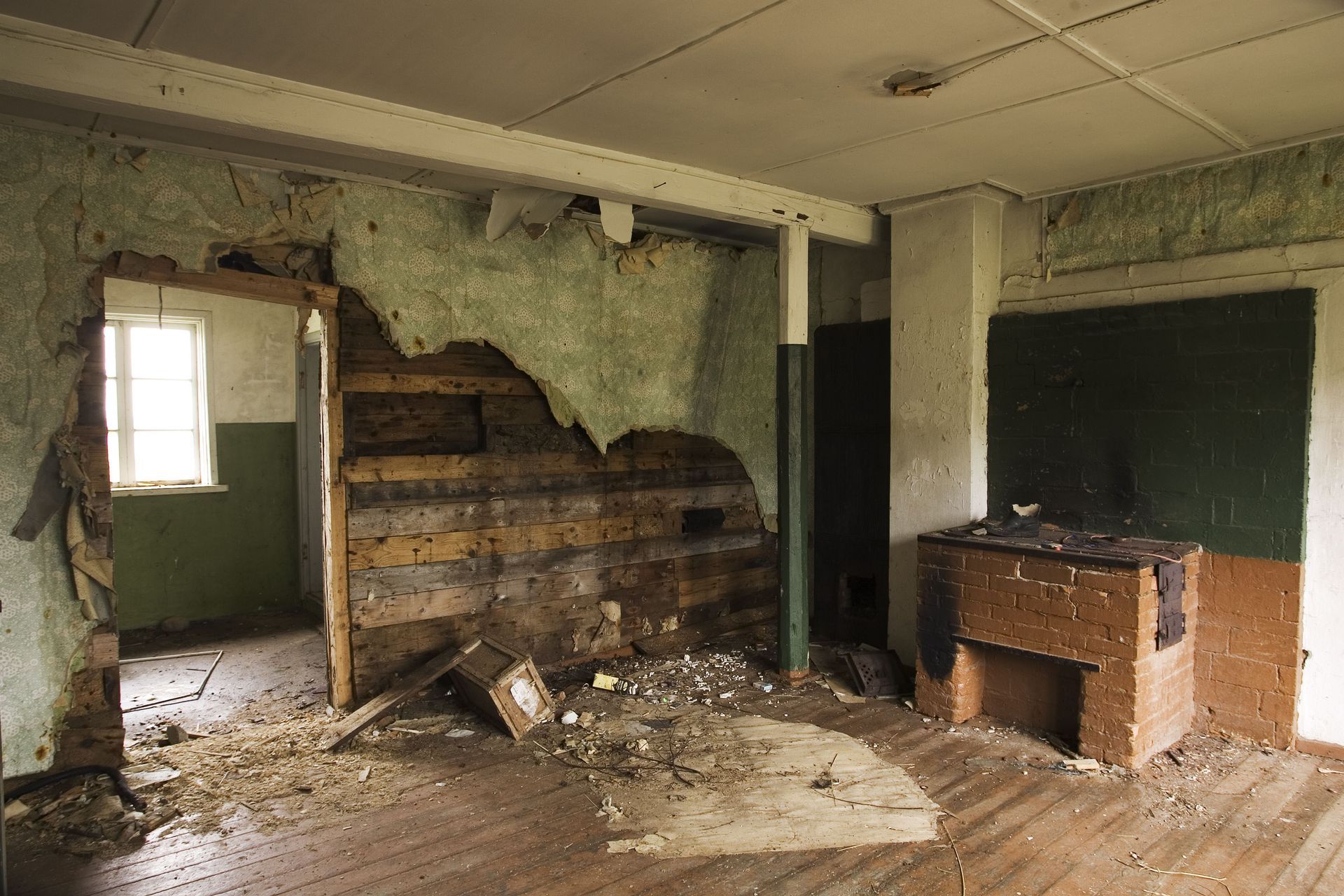
The primary skeleton of a residential building consists of dimensional lumber or light-gauge metal studs hidden within partition and perimeter walls. When a blaze heats enclosed air spaces, wall studs can suffer deep core charring that severely degrades load-bearing capacity. Assessing the structural fire damage sustained by hidden framing requires careful analysis, as charred wooden studs lose flexural strength and cannot support floor or roof loads reliably. Metal studs buckle and warp under high temperatures, transferring uneven loads across adjacent building components. Because wall cavities hide these compromises, homeowners risk sudden ceiling deflections, shifting floors, or localized collapses.
Neutralizing the Toxic Residues of Lingering Smoke
Combustion generates dense clouds of particulate matter, acidic gases, and volatile organic compounds that travel through cracks, gaps, and electrical boxes. Once inside wall cavities, smoke residues adhere to insulation, bare lumber, and electrical cables. Porous fiberglass absorbs soot and caustic chemical compounds, losing its effectiveness and becoming an enduring source of foul odors. Corrosive soot particles also eat away at metal junctions, plumbing connections, and wiring, accelerating electrical faults. Without comprehensive cleaning behind the drywall, these trapped chemical agents continuously off-gas into the indoor atmosphere, creating unpleasant odors and degrading air quality indefinitely.
Managing the Moisture Hazards of Water Suppression
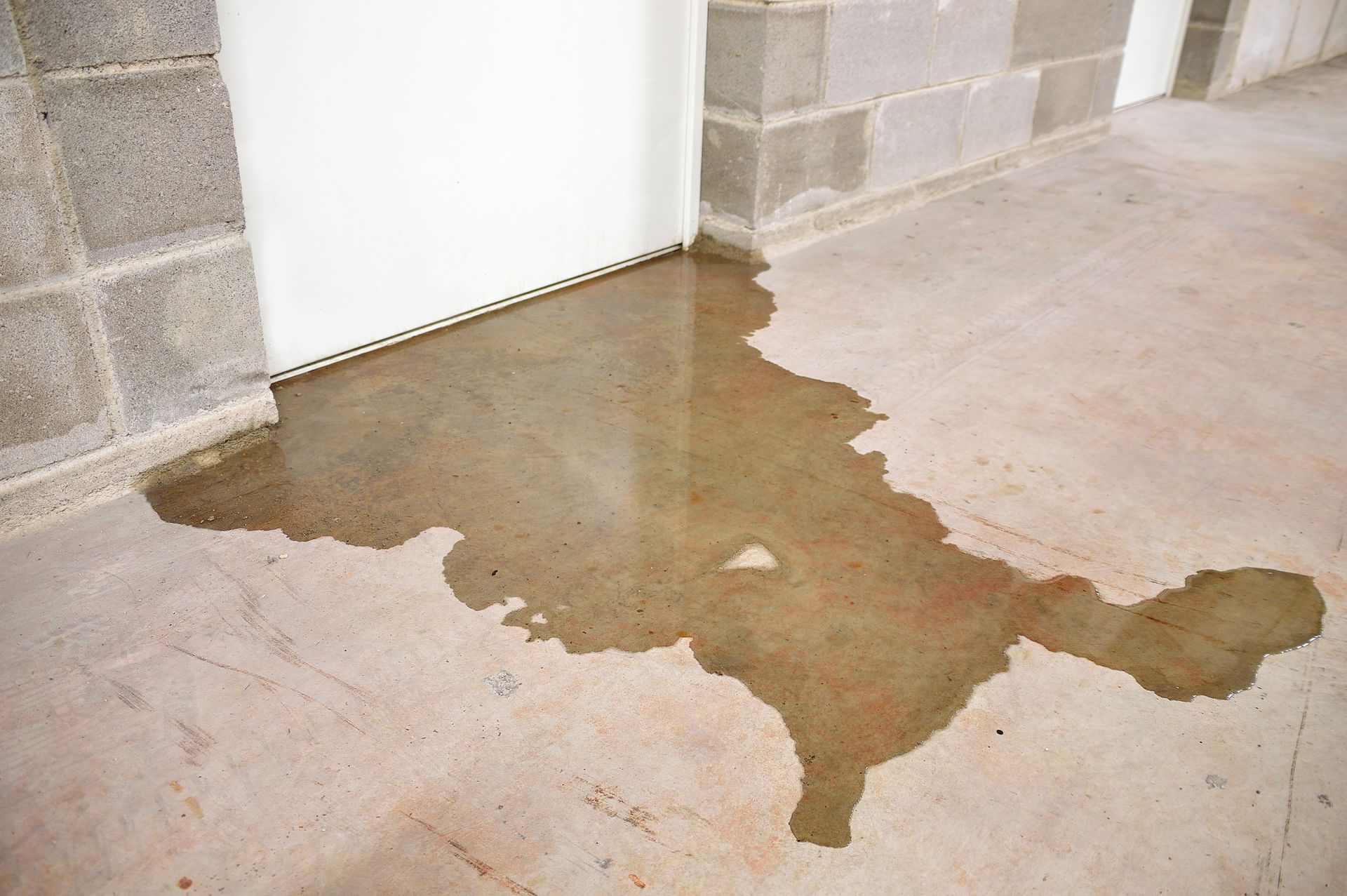
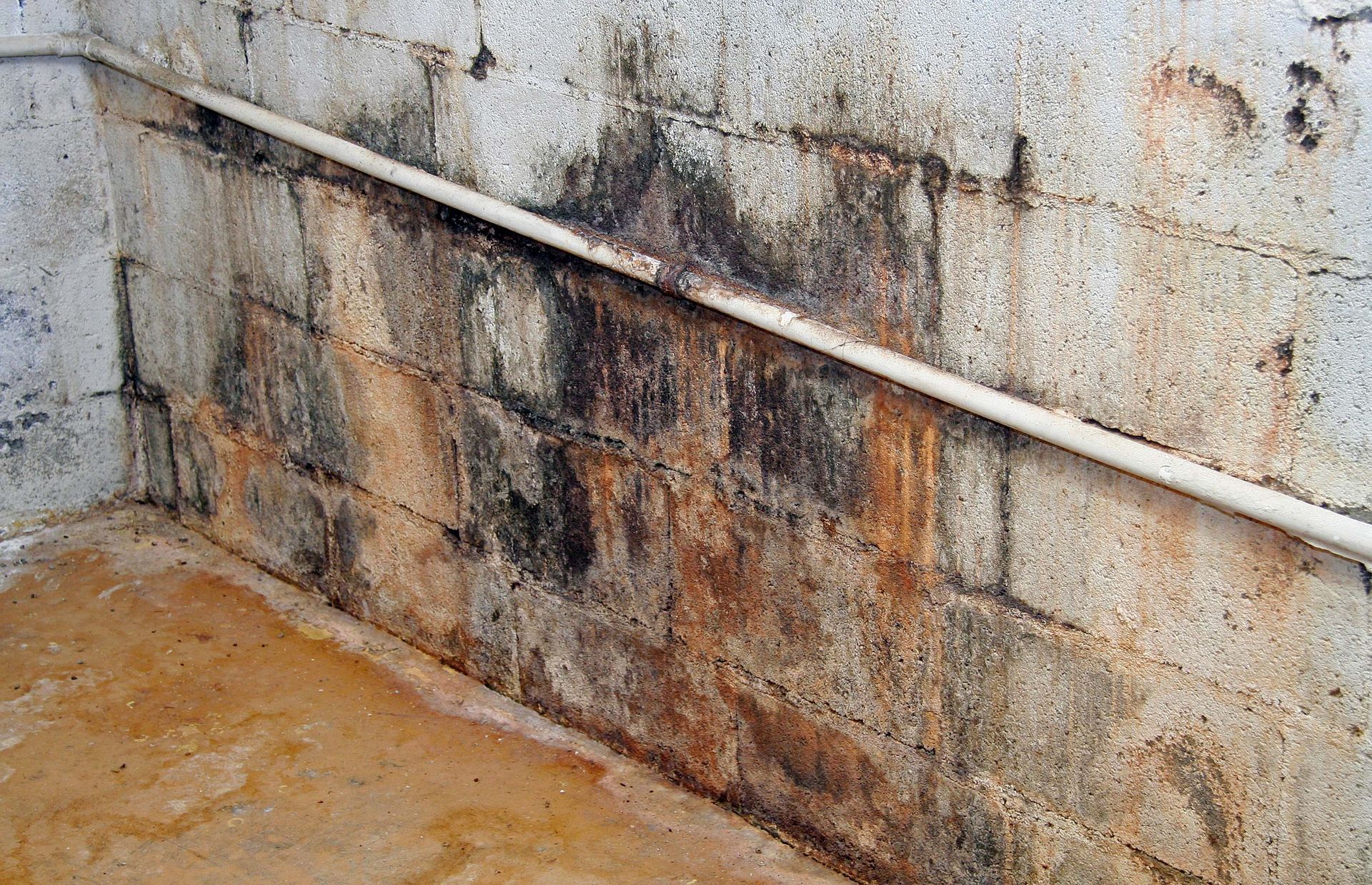
Extinguishing a residential fire requires thousands of gallons of water, much of which flows directly into wall assemblies, subfloors, and crawlspaces. When trapped between paint layers and exterior sheathing, this moisture cannot evaporate, turning enclosed wall cavities into stagnant incubation chambers. Mold spores colonize damp insulation, paper-faced drywall, and raw timber studs within 24 to 48 hours. Over time, fungal growth breaks down organic building components, rotting framing members while releasing airborne spores into living areas. Addressing water saturation behind walls is therefore vital, since undetected moisture compromises structural stability and indoor air purity.
Identifying the Subtle Visual Warnings on Surfaces
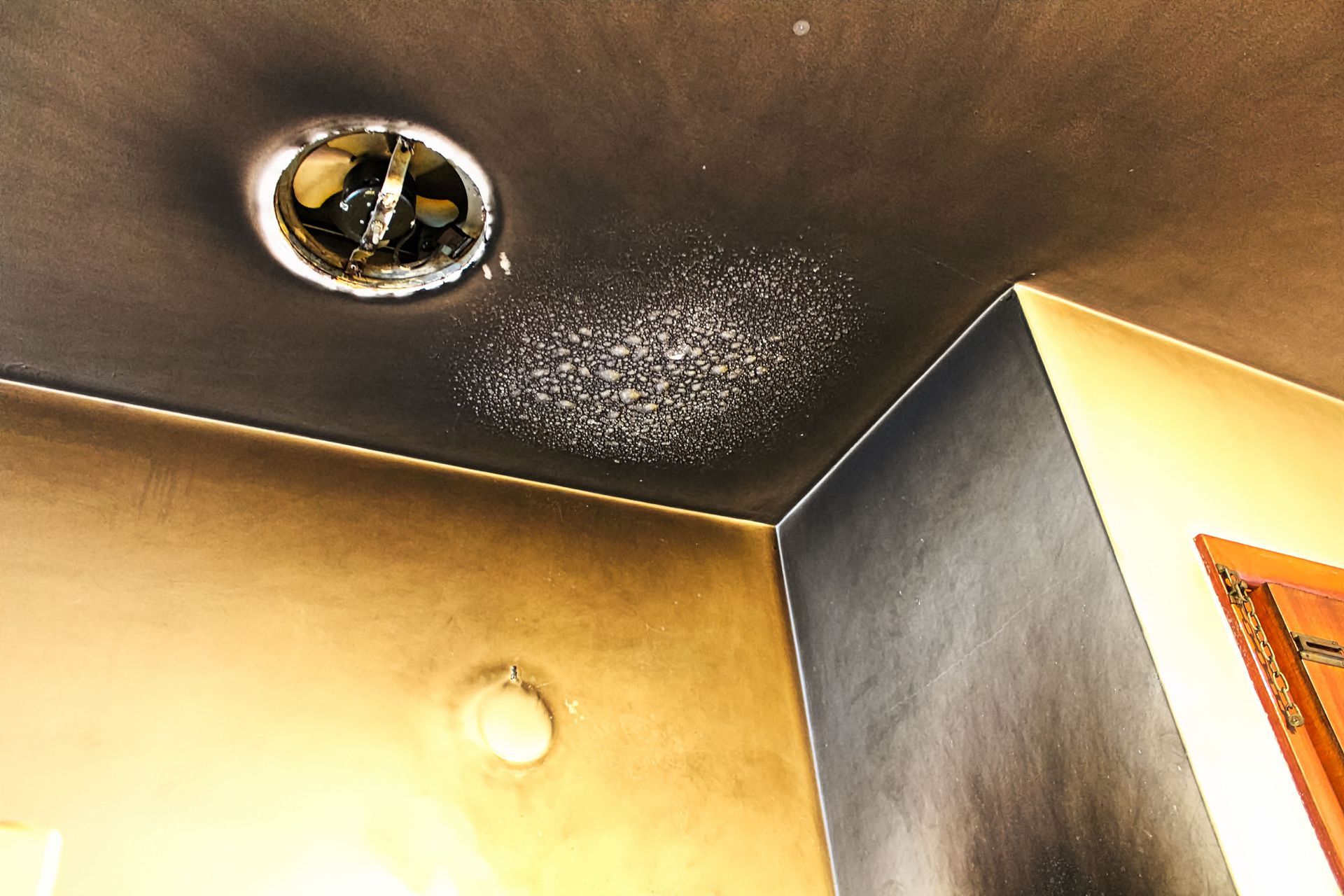
Uncovering concealed fire damage early can prevent catastrophic structural failure and minimize overall restoration expenses. Homeowners must watch for subtle visual indicators across walls and ceilings that point toward deeper complications beneath the surface. Discoloration, such as faint yellowing, browning, or bubbling paint, indicates that extreme heat was absorbed through the drywall core. Baseboards and trim may bow, crack, or pull away as internal framing members twist or contract. Furthermore, hairline fissures radiating across drywall joints indicate structural settling caused by weakened supports. Persistent smoky odors that resist superficial cleaning provide additional proof of trapped residues behind interior walls.
Utilizing the Diagnostic Capabilities of Modern Technology
Locating hidden structural compromises requires advanced diagnostic tools that inspect deep within architectural cavities without requiring destructive demolition. Thermal imaging and infrared cameras allow technicians to detect distinct thermal signatures, identifying concealed voids, charred insulation, or active moisture pockets trapped inside wall cavities. Sensitive pinless moisture meters measure internal dampness through drywall and flooring, highlighting saturated framing materials susceptible to decay. Acoustic listening devices and borescopes can be inserted through tiny openings to inspect cavity conditions directly. Deploying modern diagnostics reveals hidden pockets of fire damage behind insulated drywall without invasive tearing, establishing an accurate roadmap for subsequent restoration efforts.
Recognizing the Serious Threats to Indoor Health
Concealed residues and biological contaminants trapped within wall spaces create lasting public health challenges for occupants. As HVAC systems circulate air, pressure differentials pull micro-particulates, fine soot, and chemical off-gassing out from wall voids and into the living environment. Inhaling these microscopic contaminants irritates mucous membranes, exacerbates chronic conditions like asthma and bronchitis, and causes persistent eye and throat inflammation. Furthermore, prolonged exposure to trapped residues from fire damage can lead to persistent respiratory distress and systemic health issues, particularly for vulnerable individuals. Beyond physical ailments, living with unresolved interior contamination causes chronic distress and anxiety regarding home safety.
Implementing the Necessary Steps for Complete Remediation
Remediating hidden structural destruction requires a methodical approach that goes far beyond cosmetic touch-ups and surface paint. Certified technicians systematically strip away contaminated drywall, dispose of soot-impregnated insulation, and physically expose underlying framing for hands-on evaluation. Damaged wooden studs must be reinforced or replaced, while surviving framing receives detailed soda blasting, antimicrobial washings, and commercial encapsulation coatings. Industrial air movers, dehumidifiers, and thermal foggers are deployed to purge residual dampness and eliminate embedded smoke odors. Ultimately, executing comprehensive fire damage remediation requires certified expertise and rigorous cleanup protocols to ensure that the home is structurally stable, odor-free, and safe for habitation.
Strengthening the Home Against Future Flame Hazards
Protecting a residential structure against future fires requires investing in passive defense mechanisms and durable materials during reconstruction. Installing Type X or Type C fire-rated drywall provides enhanced heat resistance, containing flames within isolated compartments and significantly increasing evacuation windows. Applying intumescent fireproofing coatings to exposed attic trusses, floor joists, and structural studs creates a barrier that expands into protective char when heated. Additionally, installing interconnected smoke alarms throughout all bedrooms, hallways, and living spaces ensures immediate warning. Reducing the likelihood of catastrophic fire damage in the future begins with preventative upgrades, resilient building components, and disciplined home maintenance routines.
Recovering from concealed
fire damage demands meticulous inspection and proven remediation techniques to safeguard your home's structural integrity and your family's health. Hidden charring, degraded wallboard, trapped moisture, and caustic soot can quietly undermine your property long after the first responders leave. Rather than leaving the stability and air quality of your home to chance, rely on experienced restoration professionals who understand the complexities of building science and disaster mitigation. If you suspect your home has suffered unseen harm or needs a thorough evaluation, contact the trusted team at Resolve Restoration LLC today to protect your property and ensure lasting peace of mind.