
Water Damage in Stevens Point, WI: Emergency Steps & Why IICRC Drying Standards Matter
- jacksonkw1999
- Feb 28
- 4 min read
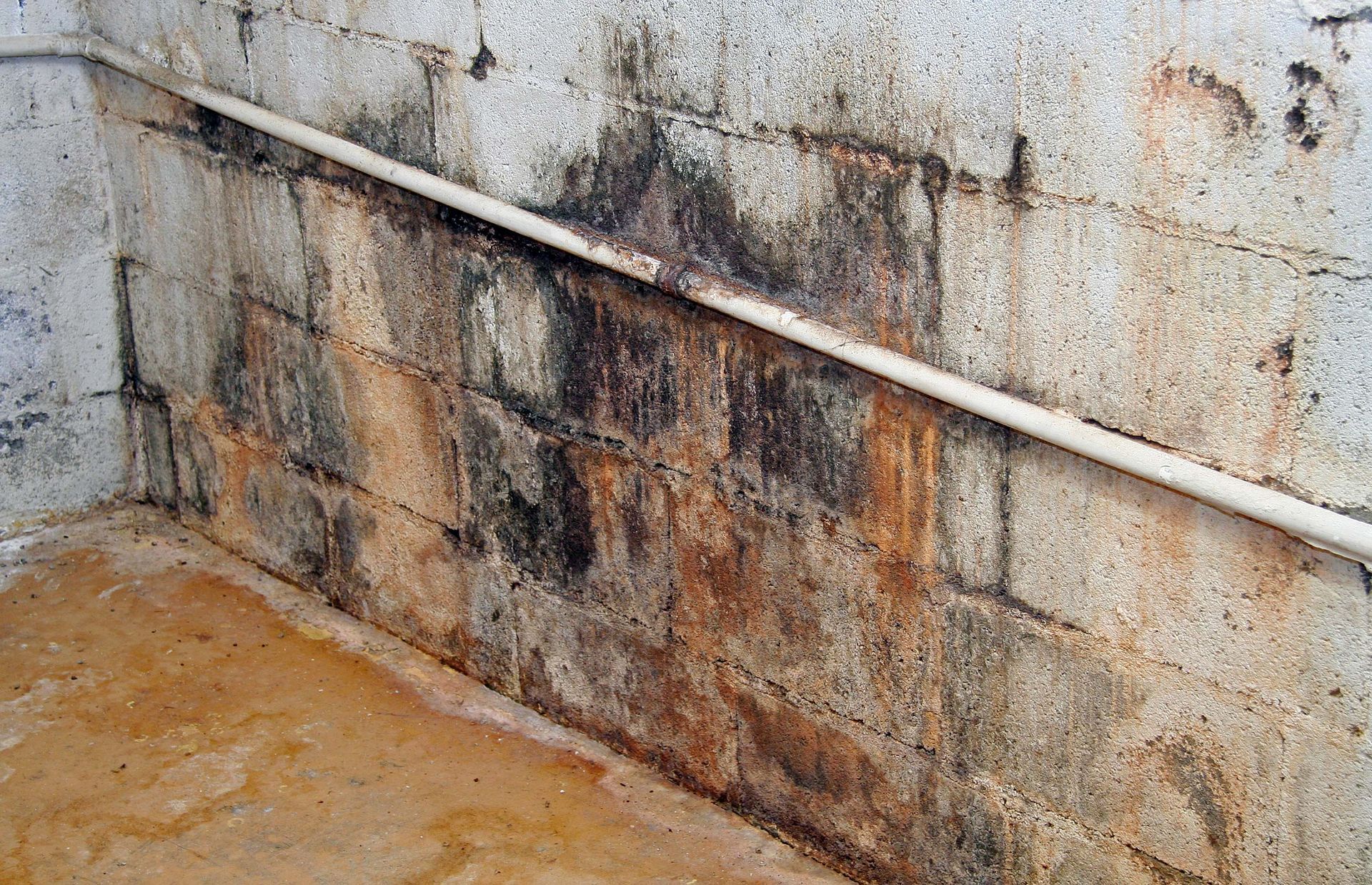
Water damage can happen suddenly — a burst pipe, basement flooding after heavy rain, a leaking appliance, or even a hidden slow leak behind walls. When water enters your home or business, time matters: the longer moisture lingers, the more extensive the damage becomes.
Here’s a clear step-by-step guide you can follow if you’re facing water damage in Stevens Point, Wisconsin — and why working with a company that adheres to IICRC (Institute of Inspection, Cleaning and Restoration Certification) protocols matters for long-term results.
Step 1: Ensure Safety and Stop More Water
The first priority is safety. If it’s safe to do so, turn off water sources contributing to the damage, such as plumbing shut-off valves, and cut electrical power to affected areas to avoid shock hazards. Standing water plus electricity is dangerous.
Take photos of the damage if it’s safe — this documentation can be crucial for insurance claims later on.
Step 2: Call a Professional Right Away
Once you’ve minimized ongoing water flow, reach out to a reputable restoration company — ideally one based locally in Stevens Point with 24/7 emergency availability. Resolve Restoration offers round-the-clock emergency service, ready to respond any time damage occurs to prevent additional harm.
The sooner a professional team can assess the situation, the faster you reduce secondary issues like mold growth, structural deterioration and material decay.
Step 3: Fast Inspection and Damage Assessment
A trained restoration technician performs a detailed inspection to determine:
How far water has traveled
What building materials and contents are affected
The category and class of water intrusion (clean water, gray water, or contaminated water)
This initial assessment forms the foundation of an effective restoration plan, ensuring technicians address all affected areas — not just the visible ones.
Why IICRC Standards Are Essential
When choosing a restoration company, look for IICRC-trained and certified professionals. The IICRC sets rigorous, industry-recognized standards for inspection, cleanup, drying, and restoration of water-affected structures.
Following IICRC protocols means:
✔ Correct Moisture Detection and Monitoring
Simply removing standing water isn’t enough. Hidden moisture in walls, subfloors, and structural cavities can lead to mold growth and permanent damage if left untreated.
✔ Scientific Drying Methods
IICRC training emphasizes the use of moisture meters, thermohygrometers, industrial air movers, and dehumidifiers to create controlled drying environments. These tools help restore dry conditions more precisely and prevent long-term issues.
✔ Consistent Industry-Accepted Practices
Companies trained to IICRC S500 standards follow systematic procedures from demolition and content handling to drying and verification — all documented for insurance review.
✔ Mold Prevention and Structural Protection
Improper restoration can leave moisture behind, which can turn into mold within 24–48 hours and compromise indoor air quality or structural components. IICRC-based restoration focuses on preventing this progression.
Step 4: Water Extraction and Drying
Once the assessment is complete, the next priority is water removal and drying. Industrial-grade extraction equipment removes standing water quickly, followed by drying systems that stabilize the environment and remove excess moisture from materials.
Resolve Restoration uses advanced drying and drying monitoring equipment and follows industry protocols to ensure your home is dried correctly — not just until it looks dry on the surface.
Step 5: Restoration and Final Repairs
With moisture under control, technicians repair or replace damaged materials and restore your property to its pre-loss condition. This may include restoring drywall, flooring, and other structural elements. Resolve Restoration guides you through the entire project — from initial mitigation to final rebuild — so you don’t need to juggle multiple contractors.
The Importance of Working With the Right Team
Water damage recovery is a multi-stage process that goes far beyond cleanup:
Stopping the source of water
Thorough inspection and documentation
Professional drying based on scientific standards
Preventing mold and future damage
Managing the restoration and insurance processes
When you choose a team trained in IICRC protocols, you’re ensuring that these steps are followed with precision and consistency — significantly reducing risks of recurrence, health hazards, or structural issues down the road.
How Resolve Restoration Can Help
At Resolve Restoration, based right here in Stevens Point, WI and serving Central Wisconsin, you’ll find a team committed to professionalism, reliability, and proper industry standards.
When you call Resolve:
24/7 Emergency Service is available for unexpected water damage.
Free estimates are provided any time, day or night.
The team will work directly with your insurance provider to help navigate claims.
Your property is restored from mitigation through rebuild — all under one trusted roof.
Resolve Restoration’s attention to detail and use of proven practices means your water damage recovery isn’t just quick — it’s done right.
Remember
Water damage is stressful, but acting quickly and choosing professionals who follow IICRC standards can make a world of difference in safety, cost, and long-term outcomes for your home or business.
If you’re dealing with water damage now, or want peace of mind in case it happens, call Resolve Restoration — your local Central Wisconsin water damage experts.


Comments